2025-08-20 5224词 晦涩

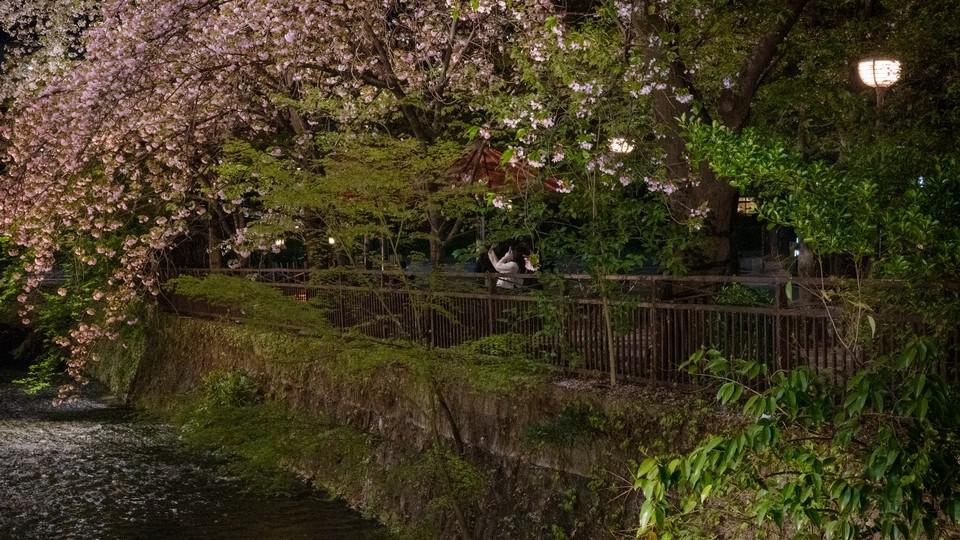
Even so, this novel, which I first encountered almost three decades ago, returned insistently. Once again, I was caught up in its radically unfamiliar world and literary form. Unlike most Western books, Lady Murasaki’s tale isn’t guided by an Aristotelian arc of action that steadily rises to a climax, followed by a denouement. Instead, the novel is episodic and patterned with recurring images and ideas: swiftly fading cherry blossoms, clouds moving through the sky, autumn leaves, the aching transience of life on this planet. The spirits of jealous lovers possess and sicken primary characters; scandals in one generation echo, transformed, in the next. Nine centuries before Gabriel García Márquez was born, Lady Murasaki infused her story with magical realism. Classics resonate through time for a reason, but what The Tale of Genji was saying to me so urgently was far too faint to hear. I wanted to track down the ghost of its author in her own city, now Kyoto, which was then the capital of imperial Japan. I wanted to get her to speak to me a little louder.
免责声明:本文来自网络公开资料,仅供学习交流,其观点和倾向不代表本站立场。