2026-02-10 1319词 晦涩

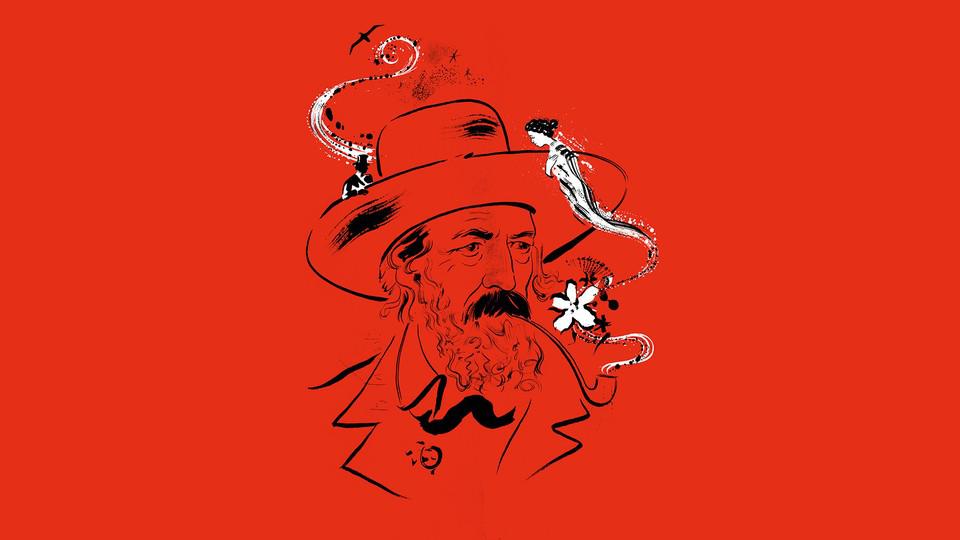
Holmes, the master scholar-biographer of Coleridge and Shelley, is ideally qualified for such a gig. In prose so lucid that you barely notice when it has slipped into a stream of profound interiority, into the hidden life-current of his subject, Holmes gives us what feels like the whole man. His Tennyson is cosmically miserable, while also being—when among friends—very good company: that is, highly appealing to us moderns. He devours works of popular science, the information they contain as intoxicating to him as the poetry of his idols Keats and Shelley. Nervously puffing away on “infinite tobacco” (as his friend Thomas Carlyle described it), he rides the fault line between epochs. Astronomy is deepening space, geology is deepening time, and as the news comes in—one revelation after another—he can feel the answering tremor in human consciousness, and the fearful new understanding it foretells. An empty heaven. A disenchanted world. “I stretch lame hands of faith,” he writes in In Memoriam, “and grope, / And gather dust and chaff.” The new science of psychology, too, absorbs him. Not at all a degraded Romantic (for which he is sometimes mistaken), this Tennyson, in his gleamy-gloomy way, is a looming giant of modernity. Behind him is Keats and “The Eve of St. Agnes”; before him is The Waste Land.
免责声明:本文来自网络公开资料,仅供学习交流,其观点和倾向不代表本站立场。