2025-12-22 3686词 晦涩

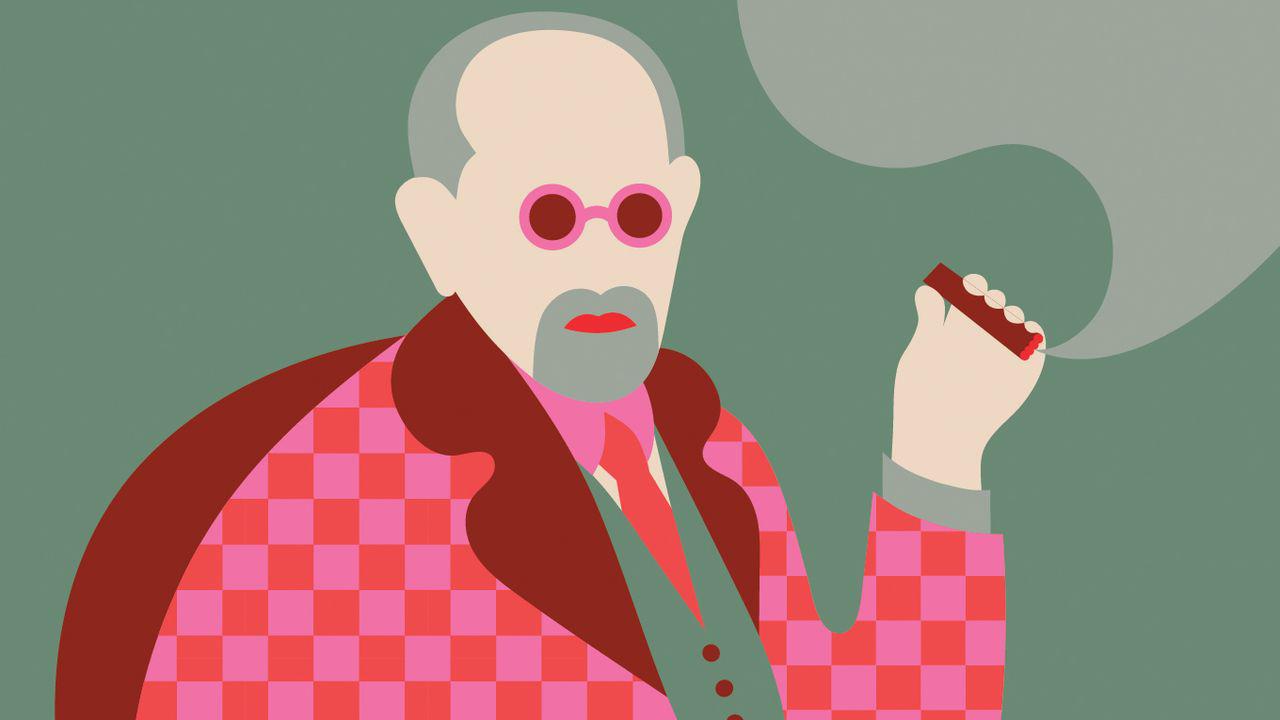
It’s easy to dismiss Bergler’s conclusions as far-fetched or suspiciously matchy-matchy. (It doesn’t help that he’s now often remembered for propounding the view that homosexuality is a curable disorder.) Yet his deeper idea—that our clothes may say things about us that we don’t realize we’re saying, like material slips of the tongue—is arresting. The fashion historian Valerie Steele takes this notion as a point of departure in her new book, “Dress, Dreams, and Desire” (Bloomsbury), which examines the surprisingly extensive interplay of fashion and psychoanalysis. Early on, Steele grounds her project in an idea she quotes from the British analyst Adam Phillips: “In psychoanalysis, we treat the objects of desire as clues.” (Phillips actually wrote, “We treat the objects of interest as clues.” Steele’s pivot to “desire” might itself strike an analyst as a clue.) A classic Freudian would read the desires expressed by clothing in terms of compensation and lack. Freud himself, according to Steele, once said, “The necktie is something that one can choose, that one can have as pretty as one wants it—which is, unhappily, not the case for the penis,” and elsewhere suggested that weaving had its origins in women wanting to conceal the missing phallus. But Steele is less interested in such theories than in using psychoanalysis as a lens through which to scrutinize the “power and allure of fashion, as well as the ambivalence and hostility that fashion also attracts.”
免责声明:本文来自网络公开资料,仅供学习交流,其观点和倾向不代表本站立场。