2026-01-12 2188词 晦涩

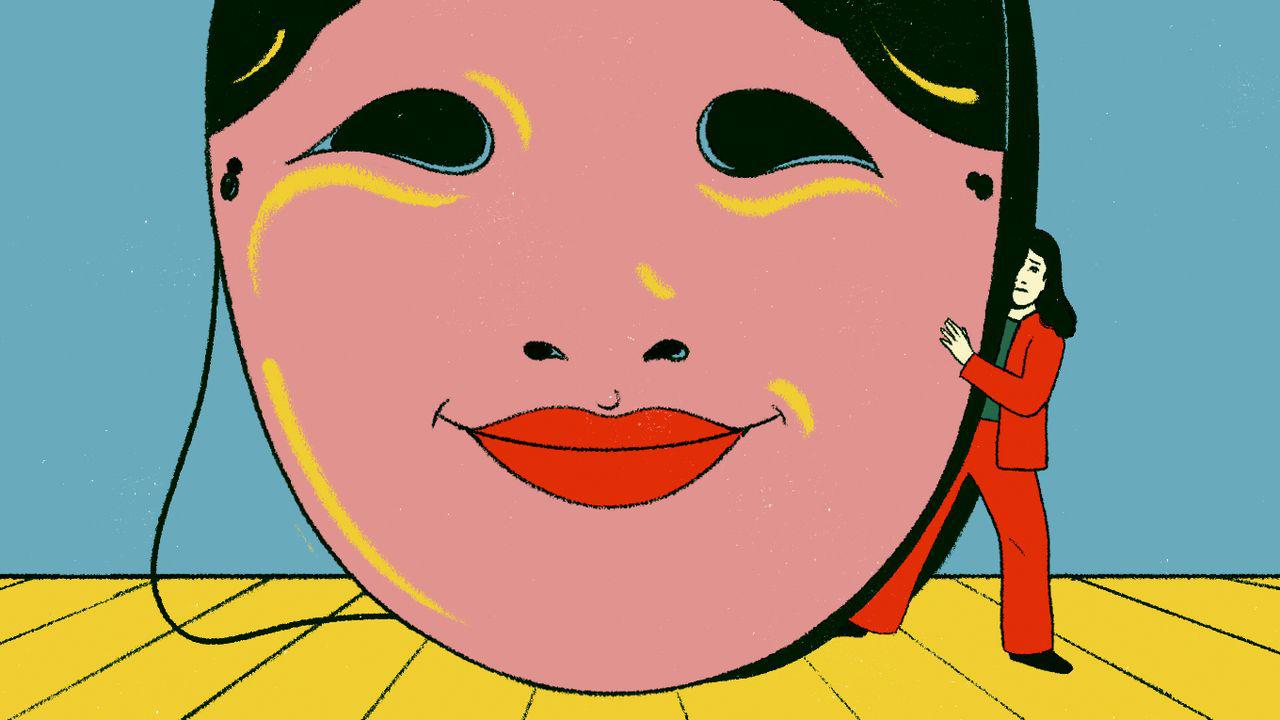
Both authors write as recovering fawners, weaving their own stories through case studies and explication of therapeutic motifs. (They explain that they prefer the term “fawning” to “people-pleasing” or “codependency” because it sounds less judgmental, and because, in their formulation, it addresses the wellspring of the tendency: childhood wounds.) Each one grew up in a home that required her to curry favor with volatile and inconstant parents—a menacing father figure, a recessive and enabling mother—and each found a fragile safety in her caretakers’ occasional good will. The authors were diligent students, high achievers. When they left home, they engaged in self-destructive patterns: Josephson developed a drinking problem; Clayton dated terrible men. “Well into my thirties,” the latter writes, “I joked that I must be wearing a sandwich board that read: users and abusers, please apply here.” As Josephson tells it, fawning is alternately a path to self-annihilation—a “belief that we need to neglect ourselves for the comfort of other people”—and a “subtle superpower” of heightened perception and sensitivity.
免责声明:本文来自网络公开资料,仅供学习交流,其观点和倾向不代表本站立场。