2026-01-19 4077词 晦涩

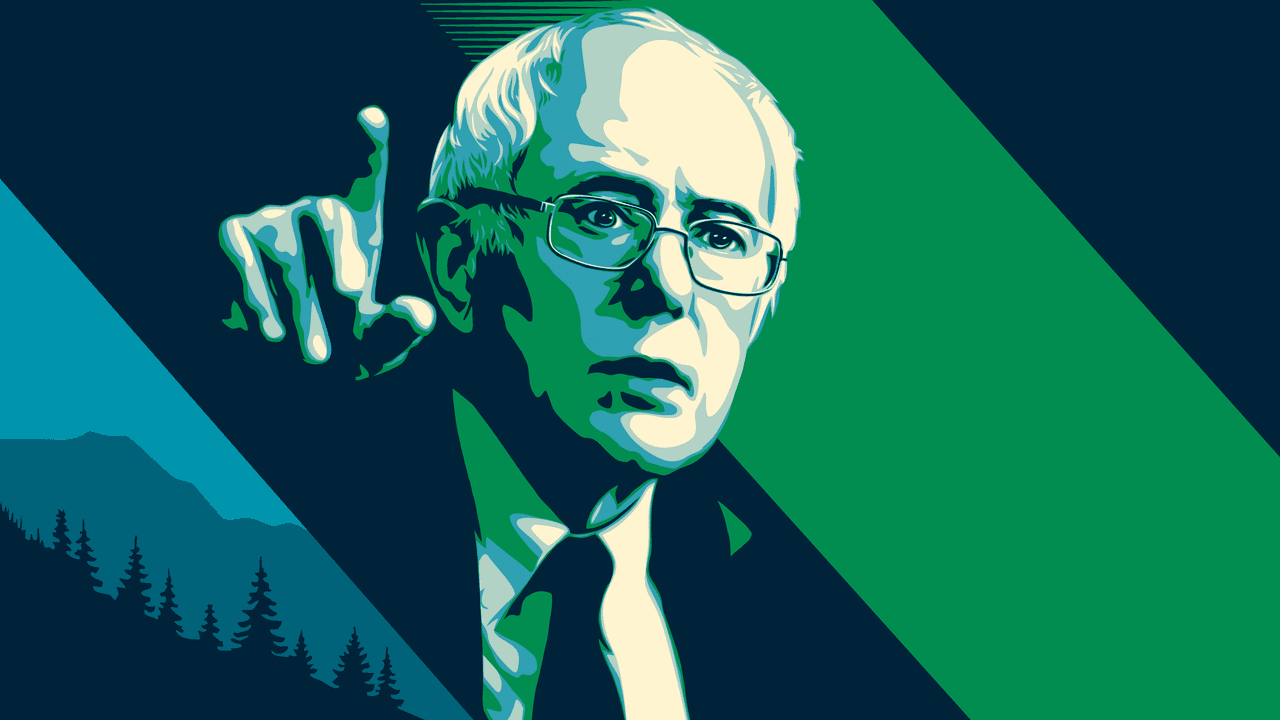
Sanders, now eighty-four, was Vermont’s sole representative in the U.S. House from 1991 to 2007, and he has served in the Senate as an Independent from Vermont ever since. He has been a notoriously ineffective legislator, having introduced only three bills between 1991 and 2020 that became law, two of which concerned the names of post offices. Yet he has wielded nearly unrivalled influence over American politics of a quite particular and distinctively local character: in his career as the country’s leading progressive populist and the second most successful socialist ever to run for President—beaten only by Eugene Victor Debs, the railman of Terre Haute, Indiana—Sanders has brought to the political stage the view not from the streets of Brooklyn but from the mountains of Vermont, and especially from its biggest city, Burlington, which in 1981, when Sanders was elected mayor by a margin of ten votes, had a population, whopping for Vermont but by any other measure minuscule, of a little under thirty-eight thousand. (It’s barely bigger this winter, at forty-five thousand shivering souls.) This past summer, Sanders more or less said that he has no plans to run for President again in 2028. (“Oh, God,” he told CNN. “Let’s not worry about that.”) He has, however, filed papers to run for reëlection to the Senate in 2030, when he’ll be eighty-nine, even though there doesn’t seem much chance he’ll really do that. In short, if it’s not quite time to assess the Vermonter’s legacy, it’s getting close.
免责声明:本文来自网络公开资料,仅供学习交流,其观点和倾向不代表本站立场。