2026-01-22 2476词 困难

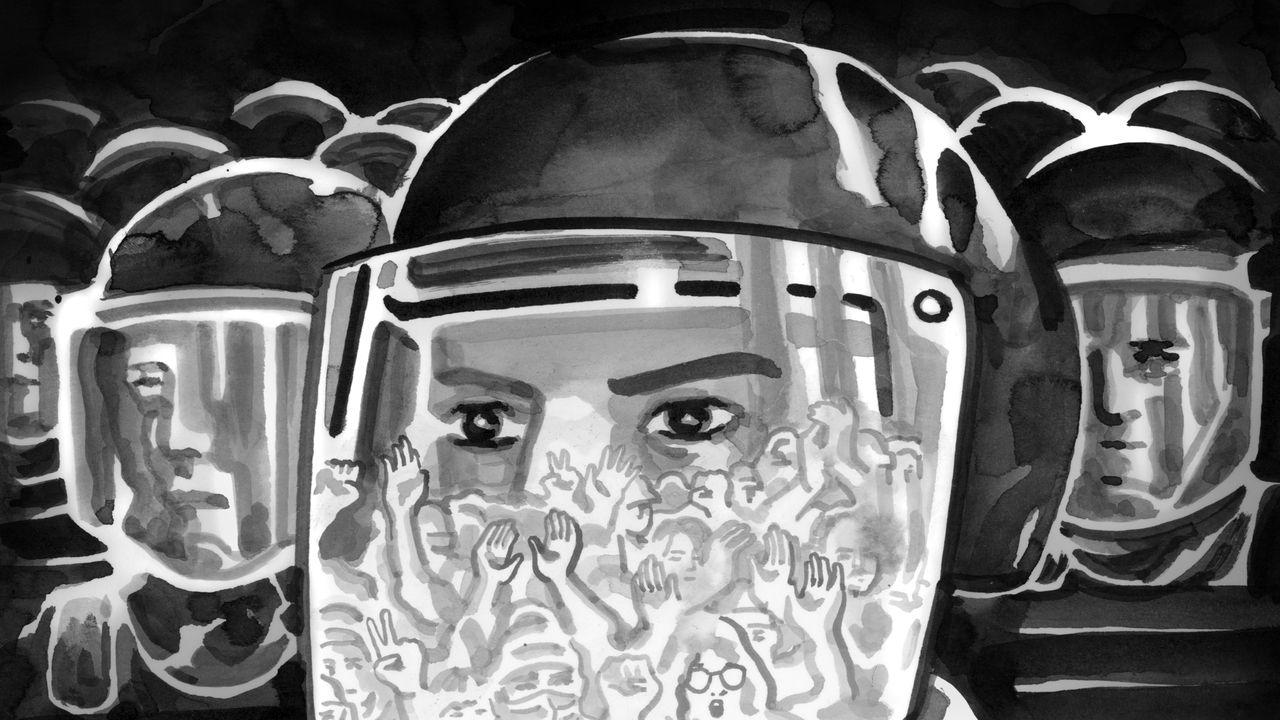
The massacre in Mashhad unfolded on January 8th, after Iranians across the country went out to protest the regime—the culmination of a movement that had convulsed the country for nearly two weeks, following the collapse of the economy. Under the cover of a nationwide internet blackout, security forces used lethal weapons to target demonstrators from rooftops, bridges, and building complexes. Only now, more than a week later, have details corroborating the scope of the carnage begun to emerge. The mass killing continued over the next two nights, according to five Iranians with whom I spoke, who witnessed the violence and who shared videos with me. “For three nights, the streets of my home town turned into a killing field,” one demonstrator, whom I will refer to as M., told me. M. went out each evening to help recover the wounded and the dead. “The death was incomprehensible,” he said. Corpses were piled in parks and hospitals throughout Mashhad. Some of the injured were treated by protesters in alleyways, or by doctors operating from makeshift clinics in their homes.
免责声明:本文来自网络公开资料,仅供学习交流,其观点和倾向不代表本站立场。