2026-01-24 1528词 困难

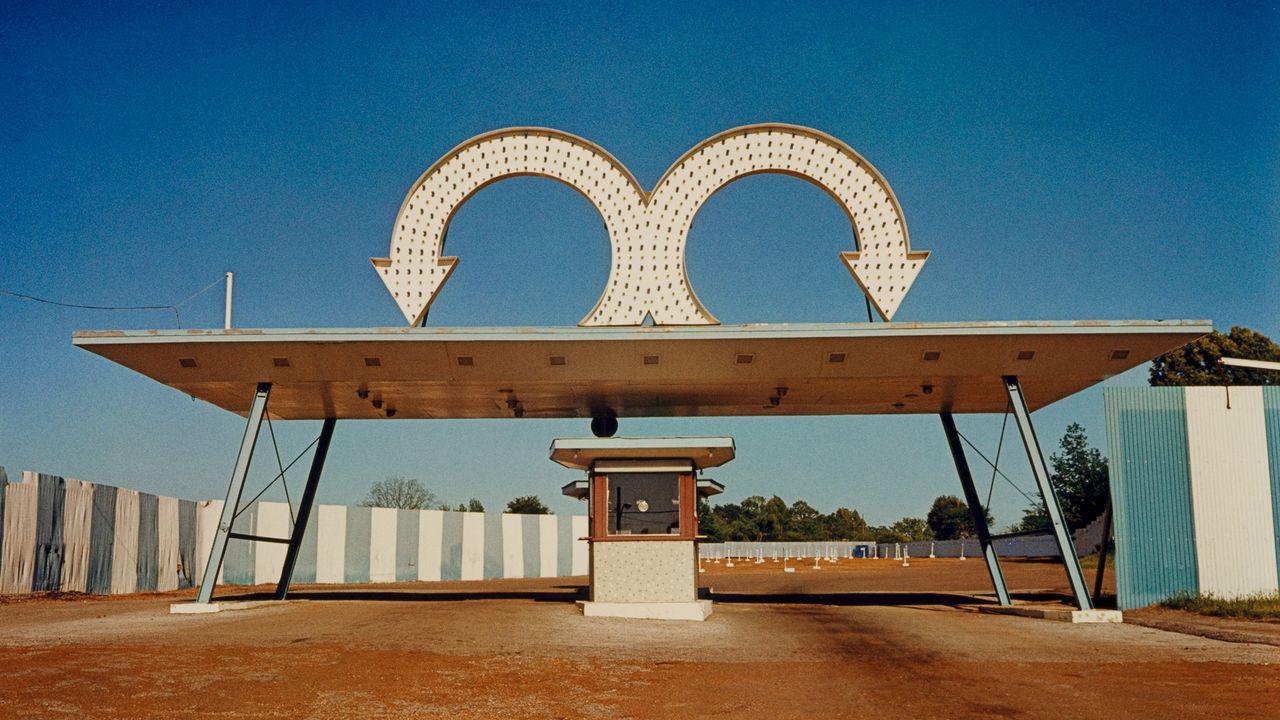
While looking at images in Eggleston’s current show in New York, “The Last Dyes” (at the David Zwirner gallery, through March 7th), an exhibition of dye-transfer prints from the first half of the seventies, I marvelled at his commitment in the early years of his art-making, given that he did not have much of an affirming audience until, at about thirty-one, he met the brilliant curator Walter Hopps, who recognized in Eggleston’s Kodachrome world an unexplored universe. Eggleston’s first images were in black-and-white; like many photographers of his generation, he was influenced by Frank, and by Henri Cartier-Bresson’s “The Decisive Moment.” But, by the mid-sixties, he had met the astute and poetic Alabama-born photographer William Christenberry, who turned him on to color. Christenberry’s photographs of abandoned houses and road stands have some of the order and calm of the unforgettable images that Walker Evans produced for “Let Us Now Praise Famous Men,” his groundbreaking 1941 book with James Agee, documenting sharecroppers in the South during the Great Depression.
免责声明:本文来自网络公开资料,仅供学习交流,其观点和倾向不代表本站立场。