2026-01-26 4071词 晦涩

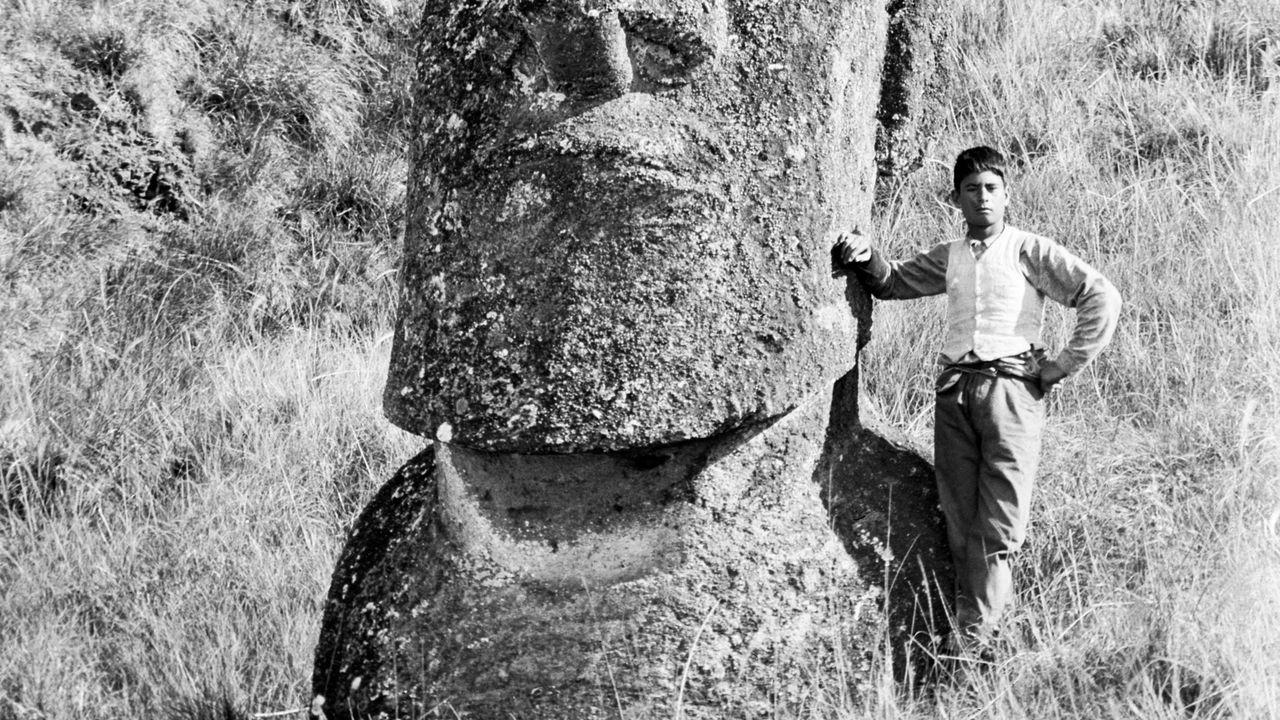
The belief that Indigenous monuments must have been made by outsiders has, in more respectable guises, long shaped Western accounts of Indigenous cultural achievement. It continues to do so. The Pyramids of Egypt and the statues of Easter Island are extraordinary, and before modern archeological methods it was often hard to see how such works could have been produced without metal tools or machinery. That conundrum, however, slid easily into a failure of imagination and, specifically, an inability to credit the capacities of people who were not white. Nineteenth-century European explorers concluded that the stone ruins of Great Zimbabwe, now thought to have been built by the Shona between roughly 1100 and 1450 C.E., must be the work of Phoenicians or Babylonians or intrepid explorers from another far-flung place or, basically, anyone but the Africans who actually lived there. The pre-Columbian mound complexes scattered across North America met a similar fate. Their builders were variously imagined as giants, a vanquished white race of some kind, or members of the lost tribes of Israel—the last a notion promoted by Josiah Priest, a nineteenth-century pamphleteer with an animus against Native Americans, cited by Andrew Jackson to justify the Indian Removal Act, and taken up, in recent years, by Tucker Carlson.
免责声明:本文来自网络公开资料,仅供学习交流,其观点和倾向不代表本站立场。