2026-01-30 2039词 晦涩

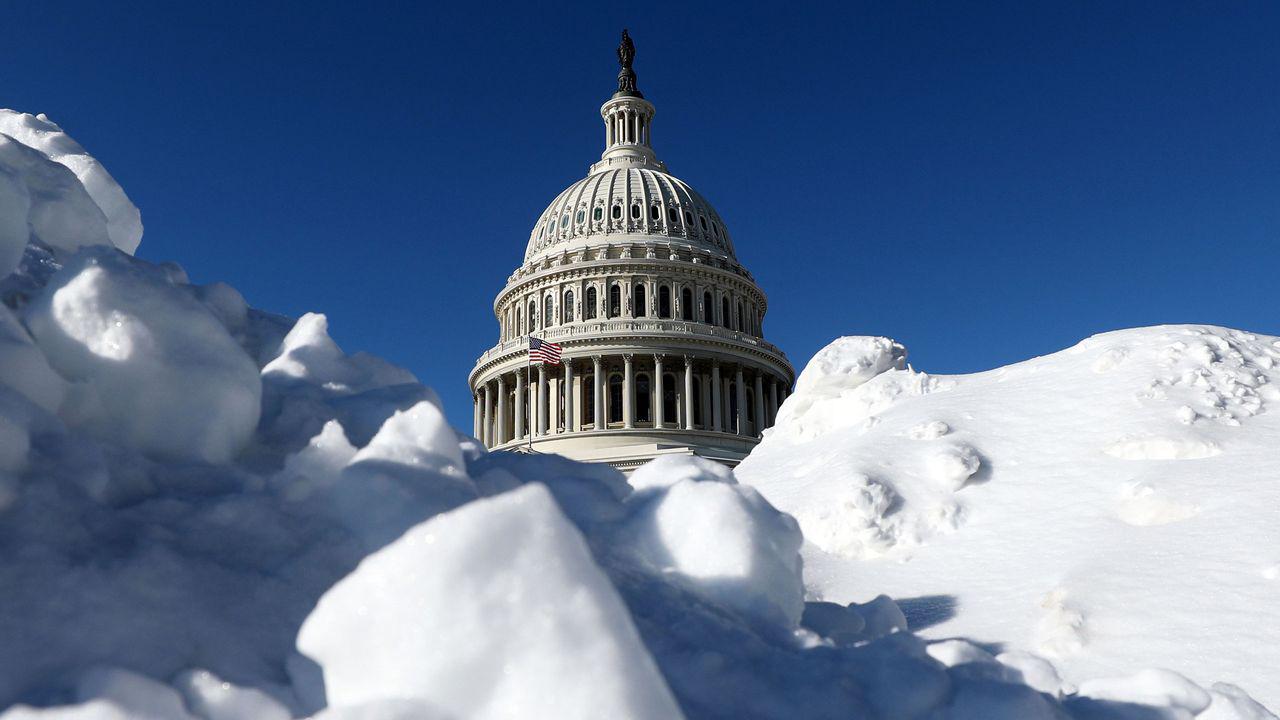
Some of what happened next vindicated my stance. A Senate vote on extending the subsidies, promised in exchange for ending the shutdown, came, predictably, to nothing, and those subsidies expired at the end of the year. But health care remained a live issue, not to mention a political liability for the G.O.P. A shutdown redux looked possible, too, over health care or something else. (Inevitably, the Epstein files were mentioned.) In the following weeks, though, the odds grew more remote, as key Senate Democrats signalled a lack of appetite to go back to the mat, and their colleagues in the House worked with Republicans to process the bills necessary to fund the government on a longer-term basis. All but one of these eventually cleared the chamber with strong bipartisan support. A bill to fund the Department of Homeland Security—negotiated against the backdrop of the Trump Administration’s brutal crackdown in Minneapolis and the killing, on January 7th, of Renee Nicole Good—was widely opposed by House Democrats, many of whom viewed safeguards written into it, for example, around training and body cameras, as insufficient. Even then, though, leadership didn’t whip against the bill, which ultimately passed with seven Democrats voting in favor. As of last week, the Senate was on track to pass that funding bill and others, as a package, by the January 30th deadline, assuming that a winter storm didn’t derail its schedule. The likeliest cause of a shutdown appeared to be ice, not ICE.
免责声明:本文来自网络公开资料,仅供学习交流,其观点和倾向不代表本站立场。