2026-03-09 3728词 晦涩

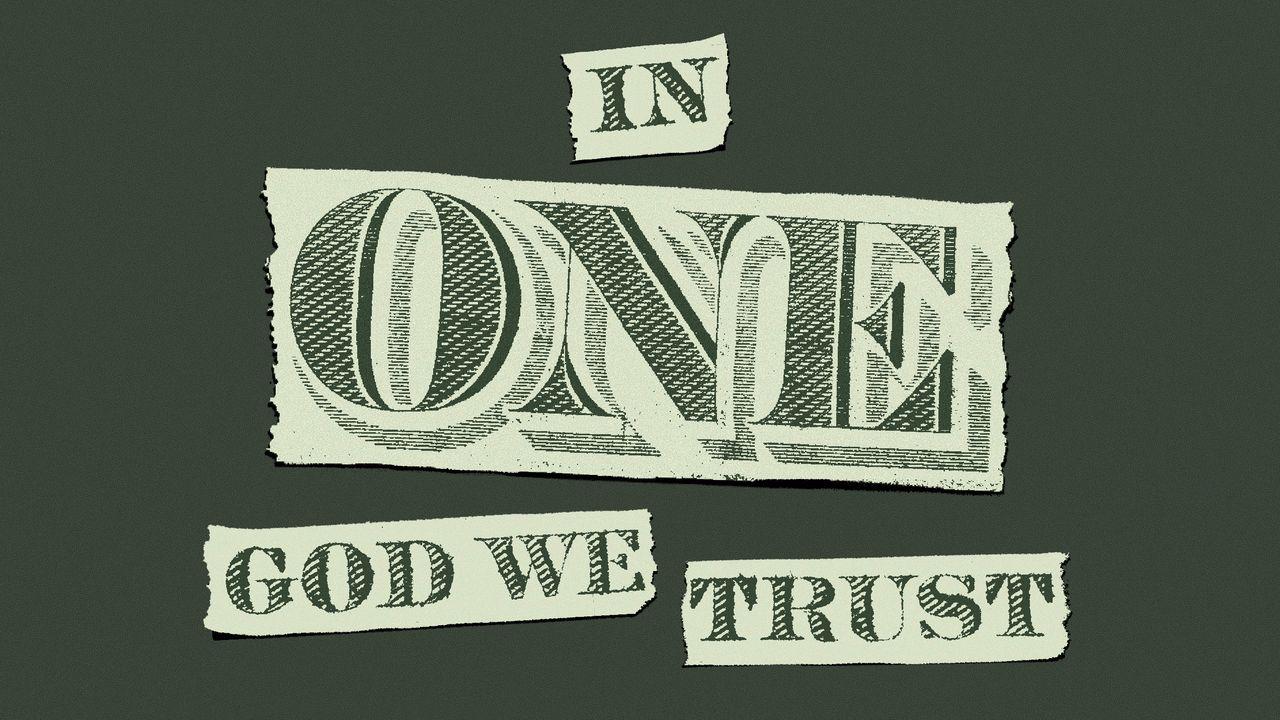
You don’t need to attend a Turning Point rally to see that monotheism operates as a moral credential in American public life. The nation’s official motto, “In God we trust,” has appeared on coins since the Civil War. The Pledge of Allegiance promises loyalty to “one nation under God.” The Boy Scouts of America claims a nonsectarian stance yet requires Scouts to uphold a “duty to God”—again, God in the singular. Although Americans are rarely asked to weigh in on polytheism, surveys consistently show that not believing in God is among the biggest political liabilities—more electorally costly than being gay, Black, Jewish, Muslim, or female. Politicians have learned to read these signals. When Tulsi Gabbard first ran for Congress, in 2012, poised to become its first Hindu member, she was derided by her Republican opponent for following a religion that “doesn’t align with the constitutional foundation of the U.S. government.” She later affirmed her monotheism. And when Piyush (Bobby) Jindal was first elected as a U.S. representative from Louisiana, in 2004, he did so as a Catholic convert, sidestepping the conversation altogether.
免责声明:本文来自网络公开资料,仅供学习交流,其观点和倾向不代表本站立场。