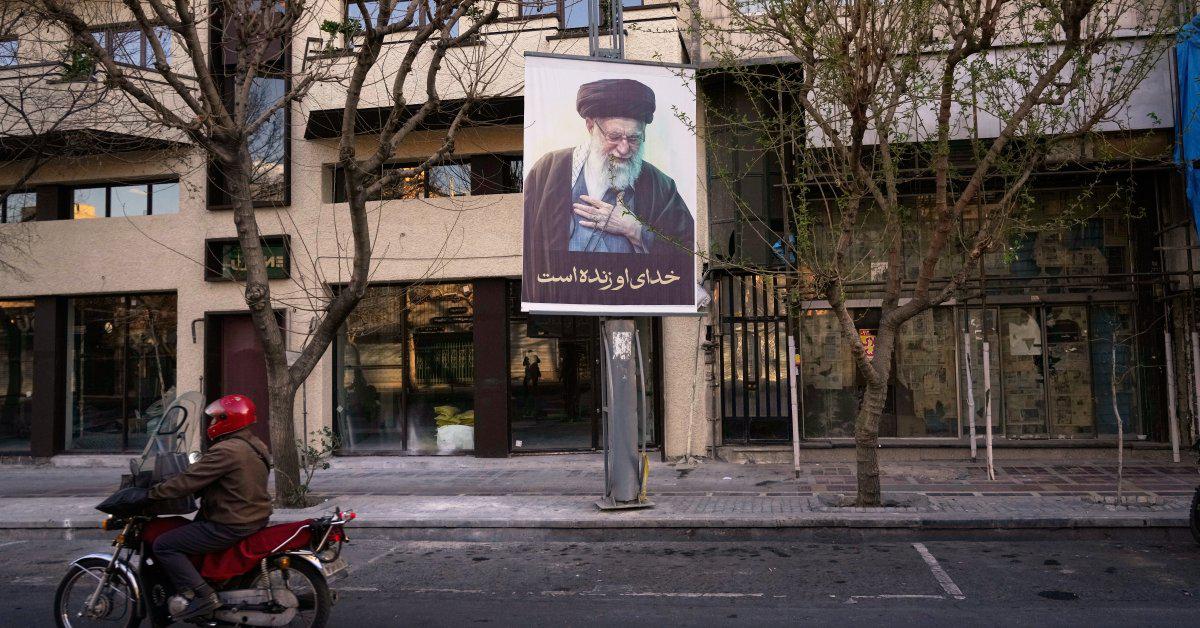
"Long ago, the Islamic Republic learned to distribute coercive power across institutions to enable the state to survive crises," writes Hamidreza Azizi
2026-03-02 1670词 晦涩

The Islamic Republic was designed to concentrate ultimate authority in the office of the Supreme Leader but under Khamenei it learned long ago to distribute coercive power across overlapping institutions—the Islamic Revolutionary Guard Corps (IRGC) and the internal security apparatus—to allow the state to not only repress dissent and project its power but also endure during moments of crises and uncertainty. Those architectural decisions have produced a system capable of continuing to fight even as it negotiates internally over who ultimately holds the right to command.
免责声明:本文来自网络公开资料,仅供学习交流,其观点和倾向不代表本站立场。